Welcome to our website!
Hotline: 177-1262-3841

Briefly introduce: What are the application scenarios of stainless steel welded air duct?
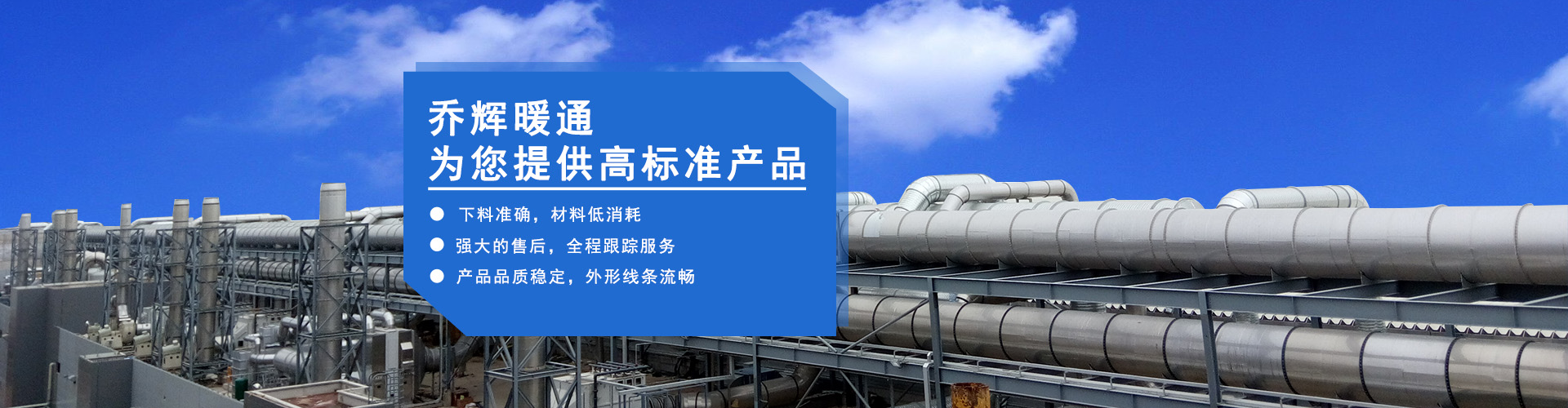
Stainless steel welded air duct is characterized by strong corrosion resistance, excellent sealing performance, high temperature/low temperature resistance, high mechanical strength, smooth inner wall and small wind resistance. Through welding, it has no splicing gap, and is suitable for ventilation and medium transportation scenes with special requirements such as corrosion prevention, explosion prevention, cleanliness and high temperature. It is widely used in industrial production, building heating and ventilation, environmental protection and other fields. The following is a brief description of the core application scenarios to clearly distinguish the adaptability of different use requirements:
1. Industrial anticorrosion/acid-base waste gas treatment
It is the core application scene of chemical industry, electroplating, printing and dyeing, pharmacy, metallurgy and other industries. It is used for conveying ventilation systems containing acid and alkali, corrosive steam and chemical waste gas. Stainless steel (304/316L) can resist the corrosion of acid and alkali media and avoid air leakage due to air duct corrosion. The 316L model is more suitable for high-concentration corrosive environment.
2. High temperature/high heat medium transportation
Suitable for boiler, metallurgy, glass, forging and other high-temperature operation scenes, used for conveying hot air, flue gas and high-temperature steam. Stainless steel can withstand high temperatures above 200℃ (special models can withstand 800℃), and the sealing performance of welding molding can prevent leakage of high-temperature medium, and at the same time, it has high mechanical strength and is not easy to deform.
3. Clean/aseptic ventilation system
It is used in food processing, pharmaceutical production, electronic clean workshop, precision instrument manufacturing and other scenes that require high environmental cleanliness. The inner wall of stainless steel is smooth, free from dead angle, easy to clean and disinfect, and free from dust accumulation. Welding and sealing can avoid the entry of external impurities, which conforms to GMP and clean workshop standards. It can also be used for conveying materials (such as powder and particles) in the food/pharmaceutical industry.
4. Environmental protection management project
It is widely used in waste gas treatment, dust removal, desulfurization and denitrification systems. It can not only transport dusty gas after industrial dust removal and corrosive flue gas after desulfurization and denitrification, but also be used as a supporting air duct for environmental protection equipment, adapting to the harsh working conditions of environmental protection systems, and its service life is much longer than that of ordinary carbon steel air ducts.
5. High-end HVAC for business/building
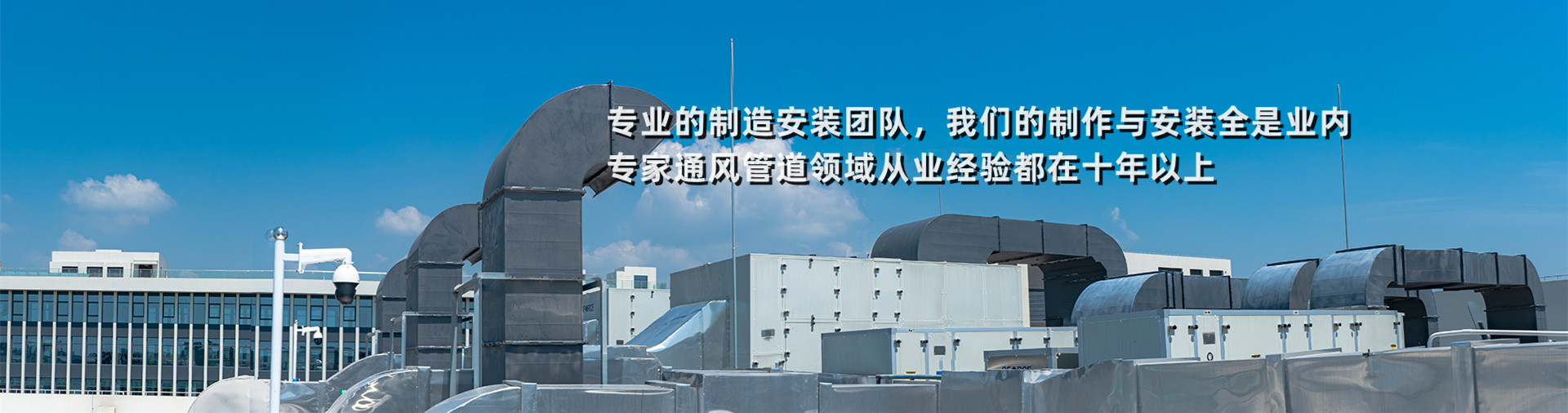
Used in the fresh air/exhaust system of high-end office buildings, hotels, shopping malls and data centers, especially in the humid environment of coastal areas and basements, stainless steel can resist humidity and salt spray corrosion, avoid rust and mildew of air ducts, and at the same time, excellent sealing can reduce air consumption and improve the efficiency of HVAC systems; It can also be used as precision air conditioning ventilation pipe in data center to meet the requirements of constant temperature and humidity.
6. Explosion-proof/inflammable and explosive gas transportation
In the explosion-proof scenes such as petrochemical industry, gas station, hazardous chemicals warehouse, painting workshop, etc., the ventilation and exhaust system used to transport flammable and explosive gases and steam has no static electricity, high mechanical strength and seamless welding, which can effectively prevent the explosion risk caused by gas leakage and meet the safety specifications of explosion-proof engineering.
7. Special medium transportation
In addition to ventilation, it can also be used to transport clean liquids such as drinking water, pure water and industrial pure water (food/medicine industry), and low-temperature refrigerants (such as low-temperature air transport in cold storage). 304 food-grade stainless steel can meet the food contact safety requirements, and its low-temperature resistance prevents the air duct from being brittle in a low-temperature environment.
Tips for core selection: 304 stainless steel is suitable for conventional anti-corrosion, clean and high-temperature scenes, with high cost performance; 316L stainless steel is suitable for high-concentration acid and alkali, high salt fog in the ocean and food-grade aseptic scenes, and has stronger corrosion resistance.